Poradniki doboru mat i nawierzchni gumowych do stref treningowych.
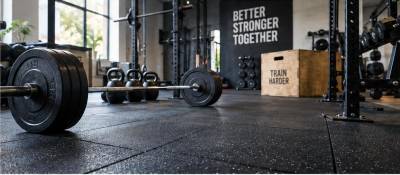
Rubber gym flooring: how to choose mats and tiles in 2026
A practical gym floor needs to suit the equipment, exercise style and loads. A compact cardio corner and a free-weight zone do not need the same flooring specification. This guide explains the main mat formats, how to think about thickness and installation, and what to check befoBrowse fitness and gym mats →
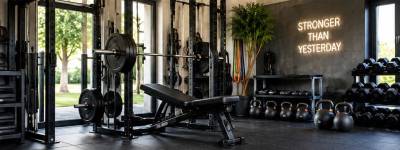
Gym mat thickness: choosing between 6, 10, 15 and 20 mm
The question “What thickness of rubber gym flooring do I need?” cannot be answered by a single number. A 10 mm mat for a cardio room and one for a lifting station face different demands. This guide explains how load, density, substrate and installation affect the choice.Browse fitness and gym mats →
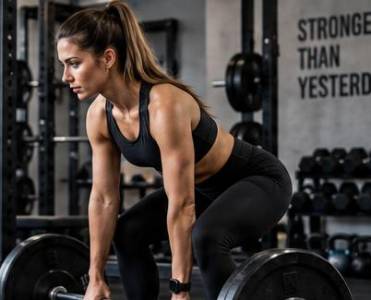
Interlocking gym mats for CrossFit: practical guide
Interlocking mats are a convenient option when fitting out or renovating a gym. Individual sections can often be laid without glue and replaced as needed. However, puzzle shapes, tolerances and suitability for weight training vary by product, so examine the system rather than theBrowse fitness and gym mats →
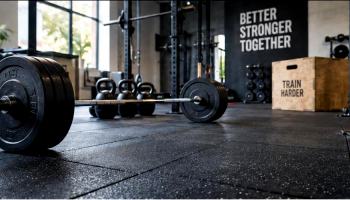
SBR gym mats – where do they work best?
SBR granulate is one of the most common materials used in training and protective mats. It is a practical choice when you need durability, entry-level impact absorption and good value for money. This guide explains which parameters to compare and how to match flooring to the way the zone is used.See fitness mats →
EPDM mats for training zones – when are they worth it?
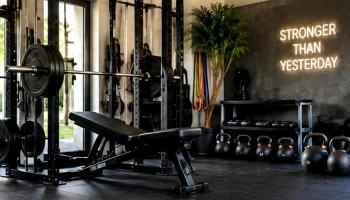
EPDM-based mats are often selected when colour stability, appearance and premium finish matter. Still, design should always be balanced with functional performance. This guide explains which parameters to compare and how to match flooring to the way the zone is used.See fitness mats →
Mats for free weight zones – how to protect the strength area?
A free weight area is one of the most demanding places in any gym. Flooring has to cope with concentrated loads, repeated movement and frequent equipment handling. This guide explains which parameters to compare and how to match flooring to the way the zone is used.See fitness mats →
Mats under cardio machines – treadmills, ellipticals and bikes
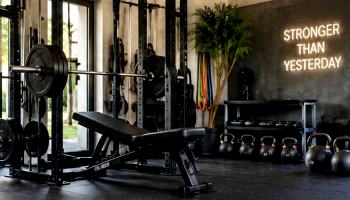
Cardio machines place different demands on flooring than barbells or functional training stations. The main goals are often floor protection, machine stability and cleaner day-to-day use. This guide explains which parameters to compare and how to match flooring to the way the zone is used.See fitness mats →
Home gym flooring in an apartment – practical guide
A home gym in an apartment needs a careful balance between workout comfort and floor protection. The existing substrate, expected loads and easy cleaning all matter. This guide explains which parameters to compare and how to match flooring to the way the zone is used.See fitness mats →
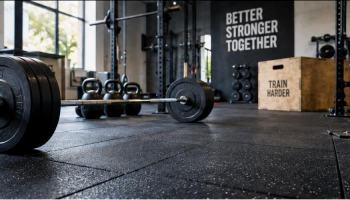
Garage or basement gym – how to choose the right flooring?
A garage or basement is a common location for a home workout area. These spaces often involve uneven substrates, dust, humidity and lower temperatures, so flooring should be selected with care. This guide explains which parameters to compare and how to match flooring to the way the zone is used.See fitness mats →
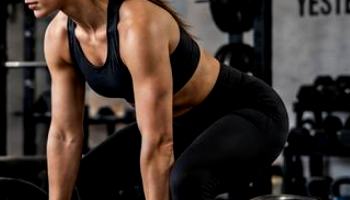
CrossFit box flooring – what should you consider?
CrossFit combines circuits, dynamic movement, bodyweight drills and strength work. Flooring for this type of space needs to be versatile and capable of handling heavy everyday use. This guide explains which parameters to compare and how to match flooring to the way the zone is used.See fitness mats →