Drainage drains
Drainage and drainage
Drainage and drainage: the key to effective protection against water
In the face of a climate that is becoming more and more unpredictable year by year, the issue of draining excess water has become an inseparable element of planning urban infrastructure and private spaces. Phenomena such as heavy downpours or melting snow require the use of effective solutions that will avoid not only discomfort, but also serious material damage. In this context, drainage and drainage play a key role, and their appropriate selection and installation is the foundation of safety and comfort of use of space.
The market offers a wide range of solutions that are adapted to various needs and operating conditions. From unnoticeable, elegantly integrated into urban architecture, to solid, industrial systems capable of coping with heavy rainfall. The quality and functionality of these products directly affect the efficiency of the entire drainage system.
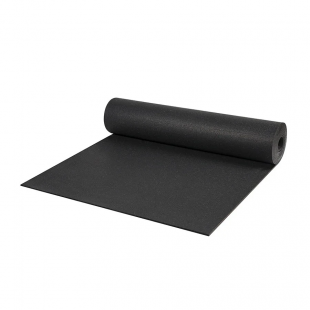
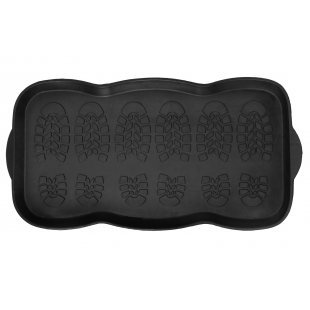
An example of a company that responds to drainage challenges is Supermaty. Known for introducing high-quality products to the market, Supermaty offers, among others, shoe drainers in various dimensions: 30x45 cm, 40x60 cm, as well as a rubber flexible drainer measuring 40x80 cm. Although it might seem that these are products with a relatively narrow application, their role in everyday life and maintaining cleanliness in residential, office or commercial premises cannot be overestimated.
Statistics show that appropriate drainage systems can significantly reduce the risk of flooding, which in the perspective of years translates into huge savings for the economy. Market analyses indicate that consumer awareness in the field of prevention through the use of modern technologies is growing, which is manifested by the increase in demand for innovative solutions in this category.
The shoe drainers available in the Supermaty offer are an example of products that, although seemingly unrelated to the large drainage infrastructure, play a significant role in the daily fight against water and mud introduced into our homes and workplaces. Their diversification and well-thought-out design allow for adjustment to any interior and user needs, improving the comfort of life and work.
The end of the perspective, a reality in which effective drainage and drains are not only a technological issue, but also an aesthetic and functional one, proves that sensible design of living and public spaces requires a comprehensive approach. Innovations and products offered by Supermaty are the answer to these modern requirements, combining efficiency with design for the 21st century.
1. What is a drainage system?
Answer: A drainage system is an integrated solution for the effective drainage of water, e.g. rainwater, from surfaces such as driveways, terraces, outdoor showers, as well as interiors of buildings such as bathrooms. It allows for the protection of specific areas from the negative effects of water.
2. What are the types of drainage systems?
Answer: There are several types of drainage systems, including linear channels, point drains, water drainage grooves and specialist drainage mats. Each of them has a specific application depending on the needs of a given area.
3. How to choose the right drainage system?
Answer: Choosing the right drainage system depends on several factors, such as the size and type of surface on which it is to be installed, the expected amount of water to be drained, as well as aesthetic requirements. It is also important to pay attention to the material from which the drainage systems are made.
4. Does the installation of a drainage system require a permit?
Answer: In most cases, installing a drainage system on your property does not require a permit. However, in some situations, especially where the work may affect municipal systems or is being carried out in protected areas, it may be necessary to obtain appropriate permits. It is advisable to check local regulations before starting the work.
5. How often should drainage systems be cleaned?
Answer: The frequency of cleaning depends on the type of system and the environment in which it is installed. In general, it is recommended that drainage channels be inspected and cleaned at least once a year to ensure they are operating efficiently. Areas that are more prone to contamination may require more frequent maintenance.
6. What materials are used to manufacture drainage systems?
Answer: Drains can be made from a variety of materials, including stainless steel, polymer concrete, PVC, and composites. The choice of material depends on the strength requirements, the installation environment, and aesthetic preferences.
7. Are drainage systems winter-proof?
Answer: Most modern drainage systems are designed to withstand extreme conditions, including low temperatures and freeze-thaw cycles. However, it is important to choose high-quality products from reputable manufacturers and ensure proper installation.
8. How does drainage installation affect the value of a property?
Answer: A properly designed and installed drainage system can significantly affect the value of a property by preventing moisture problems, flooding and subsidence. Additionally, aesthetic workmanship can increase the visual appeal of the area.
9. Are drainage systems environmentally friendly?
Answer: Yes, many drainage systems are designed with ecology in mind, as they allow rainwater to be collected for reuse or safely discharged into the ground, supporting natural hydrological processes.
10. Where can I buy drainage systems?
Answer: Drainage systems are available from specialist home improvement stores, installation wholesalers and from authorised distributors of specific manufacturers. Online purchase is also possible, offering a wide selection of products with technical details and user reviews.