

SBR gym mats – where do they work best?
SBR granulate is one of the most common materials used in training and protective mats. It is a practical choice when you need durability, entry-level impact absorption and good value for money. This guide explains which parameters to compare and how to match flooring to the way the zone is used.See fitness mats →
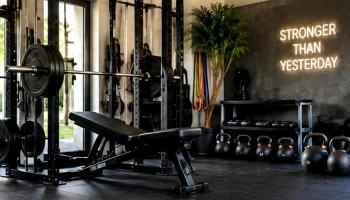
EPDM mats for training zones – when are they worth it?
EPDM-based mats are often selected when colour stability, appearance and premium finish matter. Still, design should always be balanced with functional performance. This guide explains which parameters to compare and how to match flooring to the way the zone is used.See fitness mats →

Mats for free weight zones – how to protect the strength area?
A free weight area is one of the most demanding places in any gym. Flooring has to cope with concentrated loads, repeated movement and frequent equipment handling. This guide explains which parameters to compare and how to match flooring to the way the zone is used.See fitness mats →
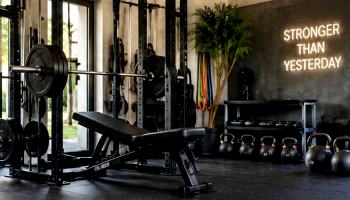
Mats under cardio machines – treadmills, ellipticals and bikes
Cardio machines place different demands on flooring than barbells or functional training stations. The main goals are often floor protection, machine stability and cleaner day-to-day use. This guide explains which parameters to compare and how to match flooring to the way the zone is used.See fitness mats →

Home gym flooring in an apartment – practical guide
A home gym in an apartment needs a careful balance between workout comfort and floor protection. The existing substrate, expected loads and easy cleaning all matter. This guide explains which parameters to compare and how to match flooring to the way the zone is used.See fitness mats →

Garage or basement gym – how to choose the right flooring?
A garage or basement is a common location for a home workout area. These spaces often involve uneven substrates, dust, humidity and lower temperatures, so flooring should be selected with care. This guide explains which parameters to compare and how to match flooring to the way the zone is used.See fitness mats →

CrossFit box flooring – what should you consider?
CrossFit combines circuits, dynamic movement, bodyweight drills and strength work. Flooring for this type of space needs to be versatile and capable of handling heavy everyday use. This guide explains which parameters to compare and how to match flooring to the way the zone is used.See fitness mats →
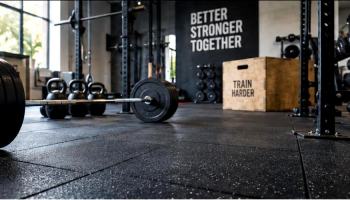
Installing interlocking gym mats – steps and tips
Interlocking mats are popular because they make it easy to create a training area without complicated building work. Good results still depend on proper preparation and careful fitting. This guide explains which parameters to compare and how to match flooring to the way the zone is used.See fitness mats →
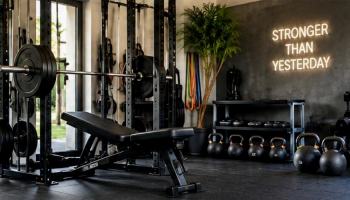
Cleaning and maintaining rubber gym mats
Regular cleaning affects not only the look of a training space but also safety and service life. In practice, the best results come from a simple and repeatable maintenance routine. This guide explains which parameters to compare and how to match flooring to the way the zone is used.See fitness mats →

How to reduce noise and vibration in a gym?
Noise control is a common topic in apartments, hotels and service buildings. Mats may help organise the training space, but their role should always be evaluated realistically. This guide explains which parameters to compare and how to match flooring to the way the zone is used.See fitness mats →