
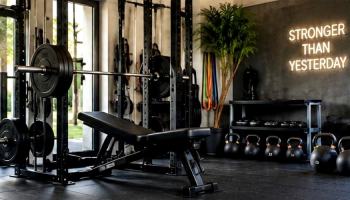
Mats for stretching and mobility zones – what to look for?
A stretching and mobility zone needs flooring that feels comfortable in contact with the body, is easy to clean and works visually with the rest of the club. This guide explains which parameters to compare and how to match flooring to the way the zone is used.See fitness mats →
Flooring for a fitness studio – group classes and daily use
A fitness studio used for group classes works differently from a heavy strength zone. Class rhythm, cleaning speed and movement comfort all play a role. This guide explains which parameters to compare and how to match flooring to the way the zone is used.See fitness mats →
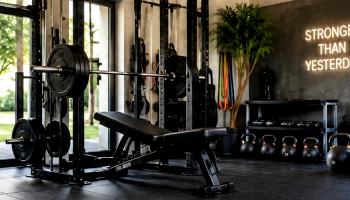
Hotel gym flooring – balancing appearance and function
A hotel gym may not be as heavily used as a large club, but guest expectations for appearance and comfort are often higher. Flooring should therefore combine a polished look with everyday practicality. This guide explains which parameters to compare and how to match flooring to the way the zone is used.See fitness mats →
Mats for school or university workout areas
Schools and universities need durable, easy-to-maintain and safe solutions for a wide range of users. Flooring should support both organised classes and individual workouts. This guide explains which parameters to compare and how to match flooring to the way the zone is used.See fitness mats →
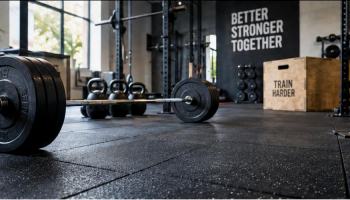
Mats for rehabilitation and physiotherapy – choosing the surface
In physiotherapy rooms and rehab zones, working comfort, hygiene and predictable surface behaviour are key. Material choice should match the type of exercises and the intensity of use. This guide explains which parameters to compare and how to match flooring to the way the zone is used.See fitness mats →
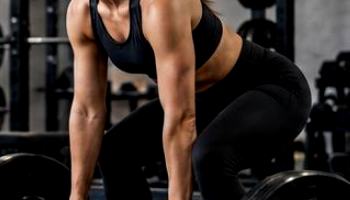
6, 8 and 10 mm mats – what are they good for?
Lower thicknesses are often selected for lighter protective and workout applications. Still, millimetres alone never tell the whole story. This guide explains which parameters to compare and how to match flooring to the way the zone is used.See fitness mats →
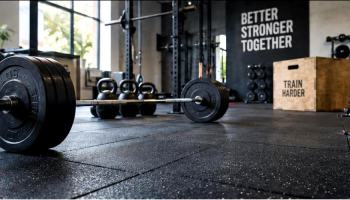
12, 15 and 20 mm mats – how to read the differences?
Medium and heavier thicknesses are often considered for higher-load zones. That does not mean the thickest option is automatically the right one. This guide explains which parameters to compare and how to match flooring to the way the zone is used.See fitness mats →
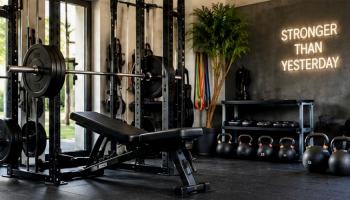
What mat should you choose for a treadmill?
A treadmill mat is mainly meant to protect the floor and support machine stability. It should still be matched to the machine footprint, usage pattern and room conditions. This guide explains which parameters to compare and how to match flooring to the way the zone is used.See fitness mats →
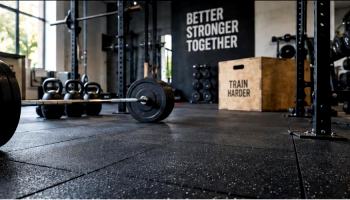
Mat for an exercise bike or rowing machine – what to choose?
Exercise bikes and rowers do not usually need the same flooring as a free-weight zone. They still benefit from a stable, easy-to-clean protective layer. This guide explains which parameters to compare and how to match flooring to the way the zone is used.See fitness mats →
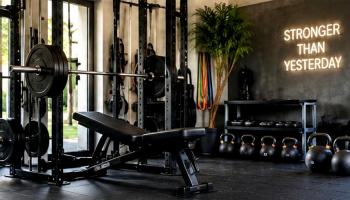
Flooring for a premium club – design and durability
A premium club needs a coherent aesthetic and refined detail. At the same time, flooring still has to handle intensive daily operation and frequent cleaning. This guide explains which parameters to compare and how to match flooring to the way the zone is used.See fitness mats →