
Garage or basement gym – how to choose the right flooring?
A garage or basement is a common location for a home workout area. These spaces often involve uneven substrates, dust, humidity and lower temperatures, so flooring should be selected with care. This guide explains which parameters to compare and how to match flooring to the way the zone is used.See fitness mats →

CrossFit box flooring – what should you consider?
CrossFit combines circuits, dynamic movement, bodyweight drills and strength work. Flooring for this type of space needs to be versatile and capable of handling heavy everyday use. This guide explains which parameters to compare and how to match flooring to the way the zone is used.See fitness mats →

Installing interlocking gym mats – steps and tips
Interlocking mats are popular because they make it easy to create a training area without complicated building work. Good results still depend on proper preparation and careful fitting. This guide explains which parameters to compare and how to match flooring to the way the zone is used.See fitness mats →
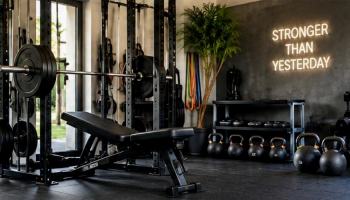
Cleaning and maintaining rubber gym mats
Regular cleaning affects not only the look of a training space but also safety and service life. In practice, the best results come from a simple and repeatable maintenance routine. This guide explains which parameters to compare and how to match flooring to the way the zone is used.See fitness mats →

How to reduce noise and vibration in a gym?
Noise control is a common topic in apartments, hotels and service buildings. Mats may help organise the training space, but their role should always be evaluated realistically. This guide explains which parameters to compare and how to match flooring to the way the zone is used.See fitness mats →
Mats for stretching and mobility zones – what to look for?
A stretching and mobility zone needs flooring that feels comfortable in contact with the body, is easy to clean and works visually with the rest of the club. This guide explains which parameters to compare and how to match flooring to the way the zone is used.See fitness mats →

Flooring for a fitness studio – group classes and daily use
A fitness studio used for group classes works differently from a heavy strength zone. Class rhythm, cleaning speed and movement comfort all play a role. This guide explains which parameters to compare and how to match flooring to the way the zone is used.See fitness mats →
Hotel gym flooring – balancing appearance and function
A hotel gym may not be as heavily used as a large club, but guest expectations for appearance and comfort are often higher. Flooring should therefore combine a polished look with everyday practicality. This guide explains which parameters to compare and how to match flooring to the way the zone is used.See fitness mats →

Mats for school or university workout areas
Schools and universities need durable, easy-to-maintain and safe solutions for a wide range of users. Flooring should support both organised classes and individual workouts. This guide explains which parameters to compare and how to match flooring to the way the zone is used.See fitness mats →

Mats for rehabilitation and physiotherapy – choosing the surface
In physiotherapy rooms and rehab zones, working comfort, hygiene and predictable surface behaviour are key. Material choice should match the type of exercises and the intensity of use. This guide explains which parameters to compare and how to match flooring to the way the zone is used.See fitness mats →