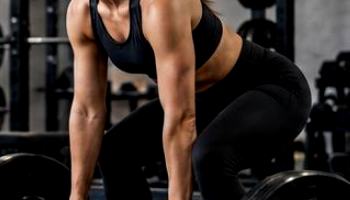
6, 8 and 10 mm mats – what are they good for?
Lower thicknesses are often selected for lighter protective and workout applications. Still, millimetres alone never tell the whole story. This guide explains which parameters to compare and how to match flooring to the way the zone is used.See fitness mats →
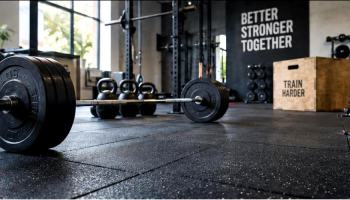
12, 15 and 20 mm mats – how to read the differences?
Medium and heavier thicknesses are often considered for higher-load zones. That does not mean the thickest option is automatically the right one. This guide explains which parameters to compare and how to match flooring to the way the zone is used.See fitness mats →
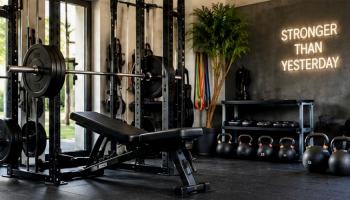
What mat should you choose for a treadmill?
A treadmill mat is mainly meant to protect the floor and support machine stability. It should still be matched to the machine footprint, usage pattern and room conditions. This guide explains which parameters to compare and how to match flooring to the way the zone is used.See fitness mats →
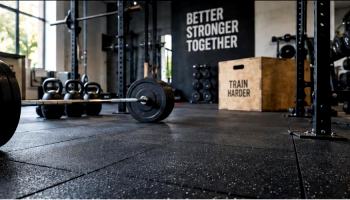
Mat for an exercise bike or rowing machine – what to choose?
Exercise bikes and rowers do not usually need the same flooring as a free-weight zone. They still benefit from a stable, easy-to-clean protective layer. This guide explains which parameters to compare and how to match flooring to the way the zone is used.See fitness mats →
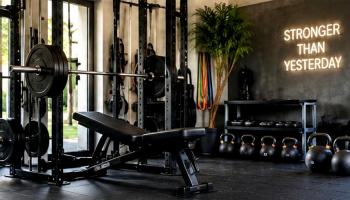
Flooring for a premium club – design and durability
A premium club needs a coherent aesthetic and refined detail. At the same time, flooring still has to handle intensive daily operation and frequent cleaning. This guide explains which parameters to compare and how to match flooring to the way the zone is used.See fitness mats →
Temporary flooring for a training event or demo area
A training zone at an event, trade show or demo area needs a solution that is easy to transport, quick to assemble and visually consistent. This guide explains which parameters to compare and how to match flooring to the way the zone is used.See fitness mats →
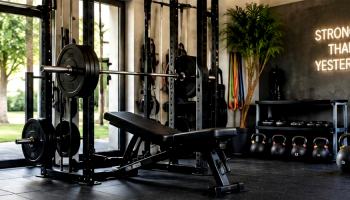
Flooring for a covered outdoor training zone
Training under a canopy combines fresh air with partial weather protection. Even so, moisture, dirt and daily use patterns should be assessed carefully. This guide explains which parameters to compare and how to match flooring to the way the zone is used.See fitness mats →
Slip resistance and safety in fitness zones
Floor safety in a gym depends on many factors: surface texture, cleaning methods, footwear and everyday conditions. Material choice alone is never the whole answer. This guide explains which parameters to compare and how to match flooring to the way the zone is used.See fitness mats →
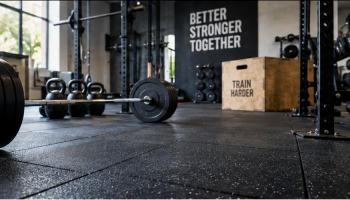
Black mats or fleck pattern – matching the floor look
Floor colour influences the overall perception of a training zone. Plain black is universal, while fleck patterns can add character and hide everyday marks more effectively. This guide explains which parameters to compare and how to match flooring to the way the zone is used.See fitness mats →
EVA or rubber – how to compare training mats?
The market offers both lightweight foam mats and heavier rubber solutions. Before you buy, decide whether comfort, mobility, durability or floor protection matters most. This guide explains which parameters to compare and how to match flooring to the way the zone is used.See fitness mats →